FEO End Game(s)
The aim of End Games is to share ideas to gain a better understanding of the different ways businesses can mature overtime. This could include exit, partial sale, building a family legacy to pass on or carry on until you drop!

Date: 03 December 2025
Author: Jess Clark
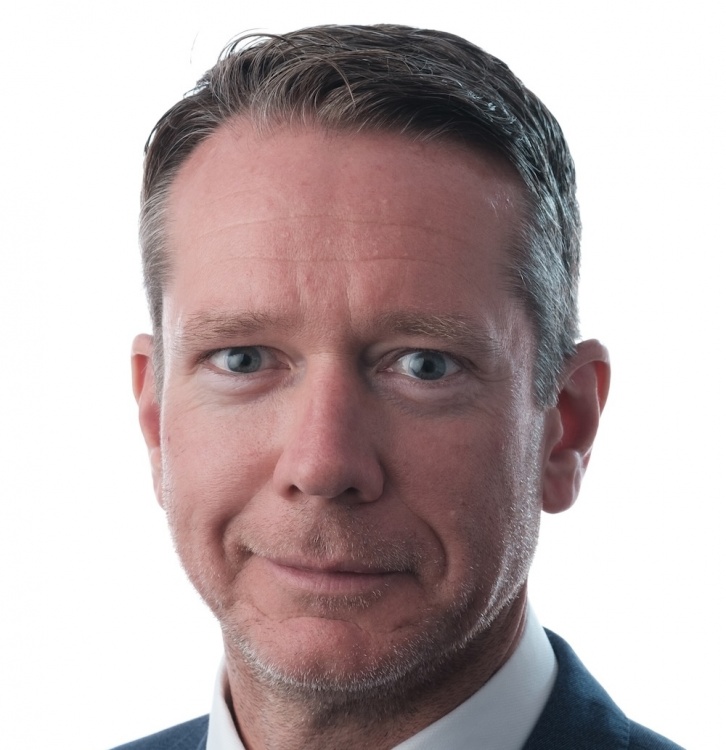

The core of End Game(s) isn’t about urging entrepreneurs toward retirement.
Business support often centres on launching new ideas or scaling operations, but what happens when entrepreneurs reach the critical inflection point of deciding how or whether to step aside? This is precisely the challenge addressed by “End Game(s),” a unique programme created by James Chandler, inspired by Jonathan Leafe. After a pivotal discussion about Jonathan’s own journey exiting his business, James developed a four-way programme that empowers owners to navigate these crucial decisions - ensuring their plans bring together firm business realities and personal goals. The result is a guided process that helps entrepreneurs transition with purpose and alignment.
The End Game(s) sessions support the final stages in the individual’s business growth journey. FEO’s earlier-stage programmes - such as Ignition for start-ups, 360 for developing business owners’ skills and personal growth, and Step Change for scaling - help founders at every stage of building their businesses. Yet there was little structured support for those approaching a crossroads: whether to continue, sell, step back, or reimagine their role.
As James explains, “The core of End Game(s) isn’t about urging entrepreneurs toward retirement. We want business owners to make big decisions with clarity, not by default. It’s about aligning personal and business goals, and knowing all your options - not just assuming that selling is the only finish line, which is often problematic anyway.”
Peter Lawford entered End Game(s) uncertain of his next step, initially considering a sale. “I went in not knowing exactly what I wanted and maybe even considering a sale, but the process totally changed my perspective.” For Peter, the real value was exploring options he hadn’t considered and choosing with confidence to continue building his business.
“That’s a common experience among End Game(s) alumni,” says James. “The programme is not just about exits or sales; it’s about teaching entrepreneurs to extract value, manage risk, and find fulfilment - whether they grow, sell, or build a sustainable business.”
The programme blends practical case studies with peer learning. For instance, one member demonstrated how owners might gradually buy themselves out by using their company’s balance sheet, transferring value into personal wealth or pensions instead of relying on a risky ‘big bang’ sale.
James points out that most owner-managed businesses or consultancies aren’t easy to sell outright. “You can’t just ‘sell yourself.’ The business and owner are often intertwined, so the challenge is making the business work independently of you. But there are ways to transition, build wealth, and step back over time.”
Four Key Sessions include:
Learn to build a “sale-ready” business, even if a sale isn’t imminent. Case studies show how entrepreneurs like Rob Brocklesby prepared due diligence and made themselves non-essential, allowing smooth transitions. “The course is invaluable for anyone considering an exit or simply future-proofing their business by learning from others’ experiences,” says Rob.
Consider “partial exits,” where owners sell shares in stages but remain involved, useful for those not ready to exit fully.
Explore methods for gradually transferring business wealth into personal savings or pensions, with real stories from members who moved capital over time. Jonathan says, “This is probably the one programme that all seasoned entrepreneurs need to attend. ‘Hope’ is never a strategy and these sessions will get you thinking!”
Challenges the idea that more people or rapid expansion equals success. Andrew explains. “This session will focus on building the balance sheet and playing the long game. Understanding that success is about building something that works without you but delivers for you - even if that means transforming or diversifying. Successful things don’t tend to stay as they are!”
End Game(s) mentors emphasise there is no “right” endgame, only the one that suits individual values. Some alumni have used the programme to prepare for and complete successful sales or buyouts. Others chose to keep growing with fresh insight or restructure for freedom and resilience and though immediate sales are rare, almost all participants gain clarity, improve efficiency, and align business and personal goals.
The programme’s core message: don’t leave your future to chance. Whether planning to sell, pass on leadership, or strengthen your business, End Game(s) provides the frameworks and peer support to plan confidently. One participant remarked, “You can’t assume a sale will go your way or that stepping away is easy. End Game(s) helped me plan success on my terms.”
End Game(s) provides a practical, supportive community shaped by real stories, insights and shared wisdom.
Whether considering exit strategies, financial flexibility, or wealth creation, End Game(s) offers guidance to align your business and life, keeping options open at every stage.
We want people to think differently in an informed way.
For more information about taking part, please visit ENDS GAME(s)









Email:
info@forentrepreneursonly.co.uk
Address:
For Entrepreneurs Only Quarry House, Hesslewood Office Park, Hessle, East Yorkshire, HU130LH