
Date: 28 October 2026
Author: Jess Clark

It’s about having the best version of the business, not the biggest.
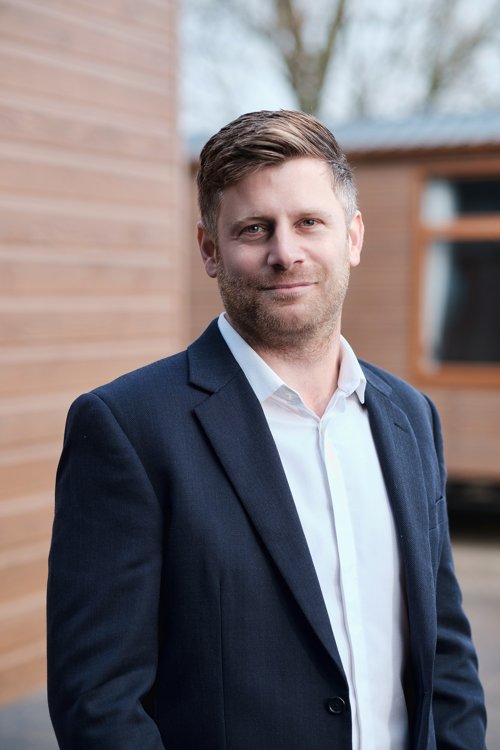
His heart on his sleeve, when David Hall talks about work, he doesn’t start with job titles or turnover. He starts with paper rounds – three of them, back‑to‑back – and the morning he was hit by a car with one newspaper left in his bag, insisting the driver take him on to Beverley Grammar School so he could deliver it.
It tells you a lot about the lad who would go on to found Beverley Leisure Homes and now chair For Entrepreneurs Only (FEO).
School never felt like a natural fit. David was told there was “no chance” of sixth form and had to sign a piece of paper promising not to apply, just to be allowed to complete his GCSEs. He left with a single C in PE and a clutch of Ds, with no clear plan beyond becoming an apprentice and earning.
Earning started early. As a teenager he juggled delivery rounds in Beverley, plus bits helping his dad sell cigarettes and tobacco. He remembers squeezing in extra rounds before other paperboys started, and queues of customers testing his mental maths at the newsagent counter - lottery tickets, tobacco by weight, loose sweets and an endless stream of “that’s not the right change, love”.
The numbers were daunting, but those days gave him something he still values today: the ability to learn fast under pressure and a deep respect for graft at the sharp end of service.
His break came with a joinery apprenticeship at Beverley firm Dreamer, fitting kitchens, bedrooms and bathrooms. David had already decided he wanted to be “better than the other apprentice”, so when the company offered him £10 a day to come in during study leave, he was there at seven o’clock the next morning, eager to get on the shop floor.
He talks warmly about the way experienced cabinet makers were spoken about: “One fitter, Jeff, was described as ‘the best you can ever meet; he can make anything in a kitchen.’ That respect was inspirational.” David would ask for the hardest jobs and linger past four o’clock while others went home.
Not everything went smoothly. On his first private job, building a curved desk and shelves in a brand‑new bedroom, he drilled straight into a central‑heating pipe. Black sludge sprayed across white walls and carpets as the family sat downstairs, unaware. He remembers desperately hunting for the stopcock, ringing the husband who was in a meeting and wanting the floor to swallow him. It was a painful lesson, but it rooted his learning in the real world – where mistakes are messy, customers are watching and you have to put things right.
After serving his apprenticeship from 16 to around 19, David left Dreamer over a mis‑calculated pay rise – something he now says he “shouldn’t have done”, even though the next job at ABI more than doubled his wage.
“The culture at ABI was a shock. If you were late three times, you were out, no matter what – punctures, broken alarms, broken‑down cars. “ David recalls waking up worried he’d missed his alarm and seeing how fear‑based rules sucked the joy and initiative out of people.
His first taste of management came in a rough joinery workshop near Bilton, a place he describes as “the Wild West”. On day one he was picking up teeth off the shop floor after fights, dealing with kids smoking weed on site and trying to impose order in a setting where “you couldn’t make it up”.
Despite that, other companies noticed the change he could deliver. He moved through a series of management roles, including work for a London‑based investor group using factories in Hull to produce lodges. Over two years, he helped set up production facilities, staffing them from apprentices to managers and running multi‑site operations. The experience was formative, but it also planted a seed: if he could build operations like that for other people, why couldn’t he eventually do it on his own?
By early 2017 David had a newborn baby at home and a conviction that he could build something of his own. He had never particularly aspired to be “a business owner”, but once he’d walked the mental path of the business plan – factory, staff, product, customers - it was hard to go back.
An initial pitch to an angel investor came to nothing; the money he was asking for was, in hindsight, more than he was ready to manage. But the process pushed him forward. He remortgaged property, lined up home‑improvement loans, drew on family support and eventually secured enough finance and grants to get started.
With that, he got the keys to a factory, ordered chassis and built his first lodge. He took it to a show in Cottingham, stood there for three days with production dates mapped out, and sold nothing – not even the lodge he’d brought.
It was a pivotal moment. A contact from the show told him they might buy, but only at a lower price and only if he could also supply a second unit. David rang the factory and told the team to strip everything they could out of the lodge, just to meet the price and get it out of the door. Overnight, the business he’d imagined had to change from what he wanted it to be into what it needed to be to survive.
“Struggling for work” – and choosing the best version, not the biggest
David is candid about the years that followed. He describes the last 20 years as “struggling for work in one way, shape or form”, whether that meant filling an order book, juggling cash flow or finding the right kind of growth.
For a while Beverley Leisure Homes ran two distinct businesses: a more expensive product and a cheaper, traveller‑market product quietly sent out without marketing. Then the market shifted. Post‑Covid demand tailed off sharply, and for four years the industry felt “against us” – not hostile, simply disappearing.
He couldn’t grow turnover, so instead he focused on everything else: brand, quality, service, aftercare, digital capability and the way they made things, not just what they made. In 2023 he made another big decision, closing the two‑business model and committing to one type of product on one site – a better version of the affordable product, designed to take on bigger competitors.
“It’s about having the best version of the business, not the biggest,” he says. That mindset runs through everything from how Beverley Leisure Homes builds lodges to how it looks after customers and staff.
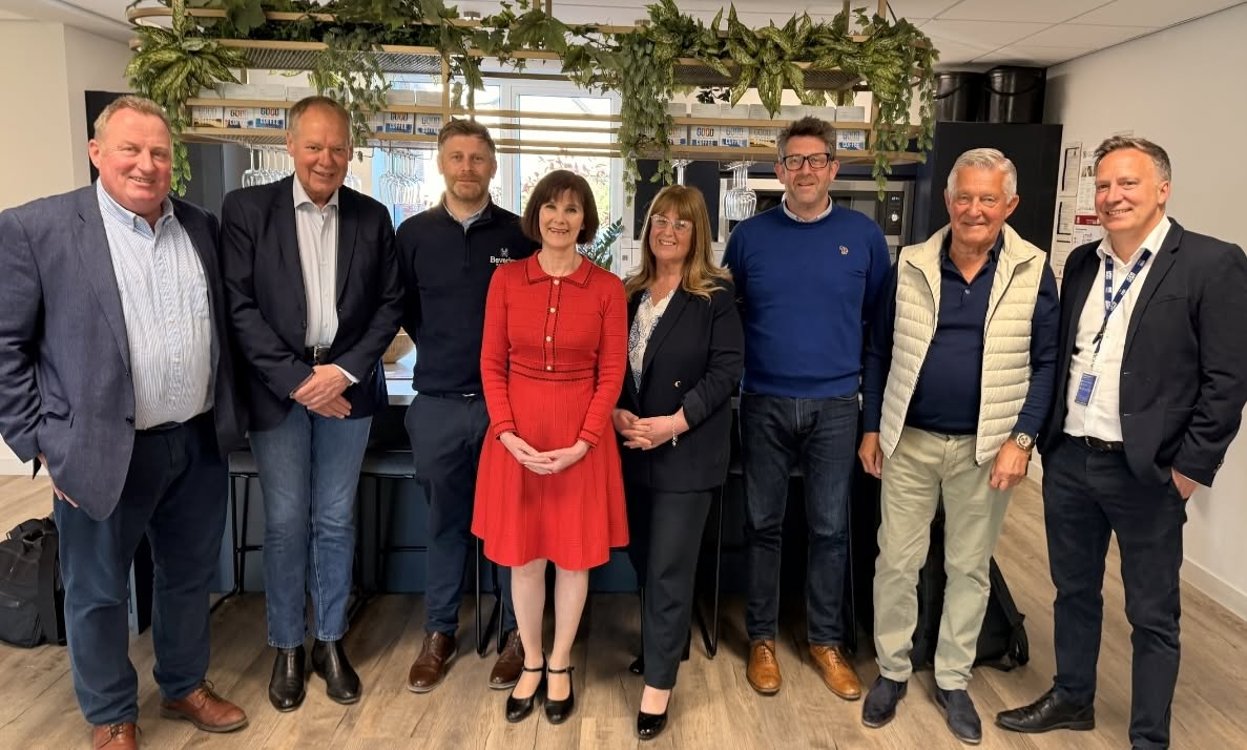
David joined FEO as a member in 2019, just before the pandemic. His first programme was Step Change, for Growth designed to challenge ambitious owners of established businesses to “let go to grow” – handing more responsibility to their teams so they can take the business to the next level.
The group managed one face‑to‑face session before lockdown, then paused and effectively created an accidental peer group that met regularly through Covid. It included Helen Gibson of Agencia, Matthew Hodgson from Great Newsome Brewery, Martin, Liz and others. For someone whose early management experience involved picking up teeth and dealing with chaos on the workshop floor, sitting alongside people like Helen was eye‑opening.
He loved hearing how others had grown breweries, consultancies and agencies across Hull and East Yorkshire, and seeing that there was no single route into entrepreneurship. Over time, FEO’s programmes helped him do something he’d always found difficult: decide what to do with his own time. Beverley Leisure Homes had grown to the point where he had people in every key role – operations, purchasing, finance, marketing, sales – and he describes walking into the office with “a lot on his mind”, prioritising sales and customer relationships, then stepping back while his team handle the day‑to‑day.
The challenge now isn’t getting things done; it’s learning not to interfere, trusting others to own their lanes, and resisting the pressure to fill every gap in his diary just because other entrepreneurs talk about being booked solid months in advance.
Ask David about balance and he won’t give you a glossy answer. He is clear he doesn’t want to live in his car chasing contracts while missing his children’s childhood.
The numbers on paper haven’t always been comfortable. Beverley Leisure Homes has posted losses over the last two years, and as David feels the weight of that – but he also knows the industry downturn has played a huge part.
That thinking fed into another choice: in October last year he decided to stop drinking for a year. There was no dramatic rock‑bottom moment; he describes himself as a happy chap who enjoys his work. But as the business struggled, he found himself questioning how fair it was to come in “5–10% worse” after a drink when dozens of people were depending on him.
Driving home one day, listening to a podcast about rockets and velocity, something clicked. “The idea of how much force it takes to break free from gravity made him think about my own habits – what it would take to break away from patterns that have been pulling me back.” He went home, asked his youngest to take the last beer out of the fridge and put it in the bin, and hasn’t drunk since.
He doesn’t claim to feel transformed - “I was happy anyway” - but he likes knowing he’s turning up as the best version of himself he can manage, even when the business is under pressure.
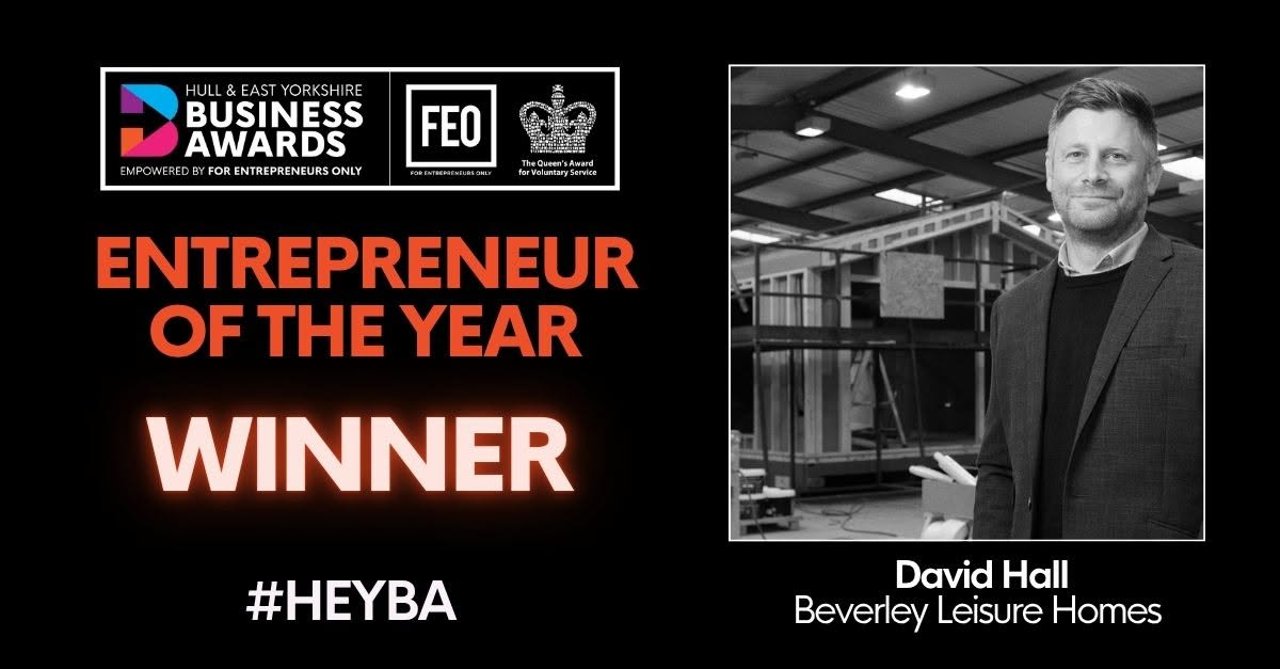
Today, Beverley Leisure Homes has a stronger structure, clearer lanes and a focus on being the best version of itself, not just the biggest. That approach has been recognised beyond the business: last year, David was named Entrepreneur of the Year at the Hull and East Yorkshire (HEY) Business Awards. As Chair of FEO, he wants more entrepreneurs across Hull and East Yorkshire to feel able to be honest about their troubles: building businesses - and lives - that are sustainable, human and rooted in reality, even when the market is tough.







Email:
info@forentrepreneursonly.co.uk
Address:
For Entrepreneurs Only Quarry House, Hesslewood Office Park, Hessle, East Yorkshire, HU130LH