
Date: 07 October 2026
Author: Jess Clark

AI is a time machine - a way to spend less time on tasks you don't want to do and more time creating, learning and pursuing ideas.
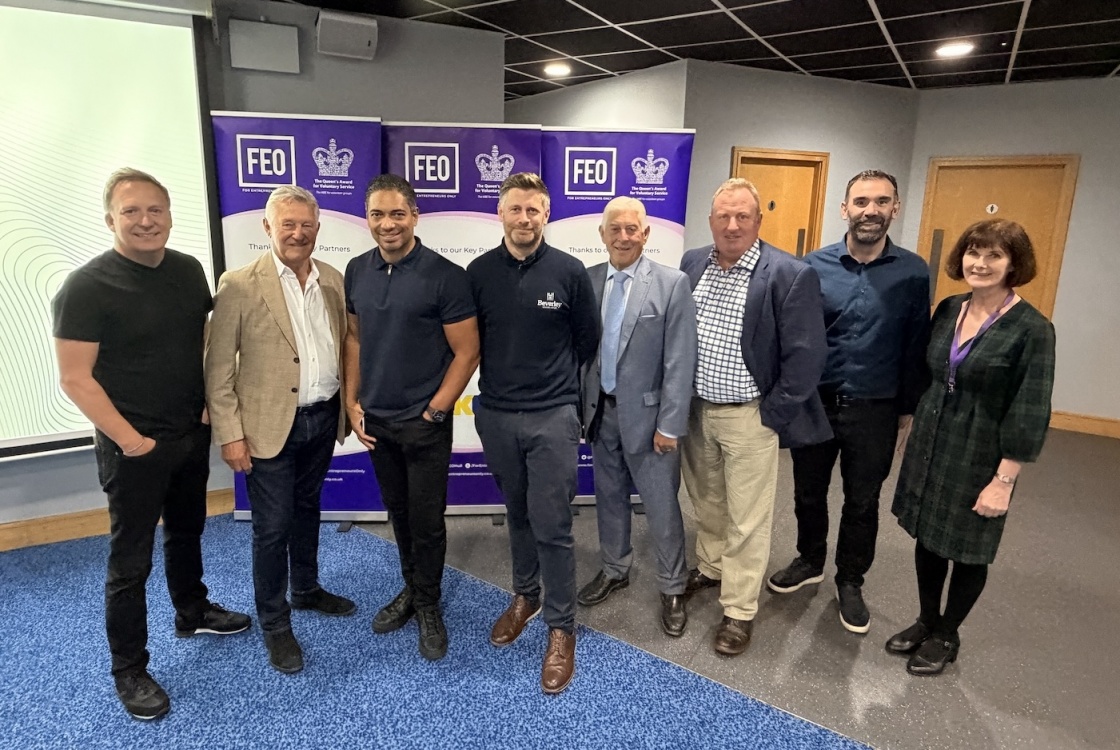
AI is not a project to complete and tick off. It is an ongoing journey - and, according to entrepreneur and former Dragons’ Den investor Piers Linney, an opportunity to rethink how your business works.
That was the challenge at FEO’s Guest Speaker lunch, where members stepped away from their day-to-day responsibilities to explore the possibilities of artificial intelligence. Whether you were in the room or not, Piers’ practical examples and the lively Q&A offered a question worth considering: what could you achieve if fewer opportunities slipped through the cracks and your people had more time for the work that really matters?
His central message, “Don’t be a red dot”, was a warning against focusing only on what emerging technology cannot do today. Rather than getting caught up in whether an AI voice sounds completely human or a tool produces a perfect result, he encouraged you to consider the value it could create - and how quickly its capabilities might develop.
For Piers, the best starting point is the business you already have. Before choosing a tool or embarking on a major technology project, look at where enquiries are being missed, follow-ups are falling behind and customers are drifting away.
These are not necessarily opportunities that require more marketing or investment. You may already have done the hard work of attracting a customer, only to lose them along the way.
He illustrated the point with a Friday evening enquiry. One business uses AI to respond immediately, establishes what the prospective customer needs and sends relevant information while their interest is fresh. Another gets back to them on Tuesday. The difference, he suggested, could determine who wins the customer.
Where would your business sit in that scenario?
Piers also described how analysing previous customer conversations had uncovered overlooked sales opportunities. His emphasis was on getting more value from the resources, relationships and investment you already have, rather than assuming growth must always bring additional cost.
That practical approach shaped his response to concerns about AI’s limitations. Instead of comparing technology with an idealised standard, consider how it performs against the processes you currently rely on.
“Don’t compare AI to the Almighty. Compare it to the alternative.”
The potential to do more with existing resources led naturally to a discussion about people. If AI could take on repetitive tasks, what would your colleagues do with the time released - and how would they feel about the change?
An example from the room brought that question into sharp focus. One speaker described an employee whose administrative task occupied around 60–70% of their time. When told an AI agent would take on the work, her first response was: “What am I going to do?”
Her reaction highlighted why introducing technology requires more than a technical solution. Your people need to understand how their roles might develop, where they can contribute and what the change means for them.
Piers encouraged businesses to automate mundane work so that human colleagues could concentrate on more meaningful activities. For you, that means thinking not only about the time you could save, but also about how your team could use it.
He also stressed the importance of deciding where AI should hand over to a person. The task, your customer’s circumstances and any regulatory requirements would all help determine that boundary.
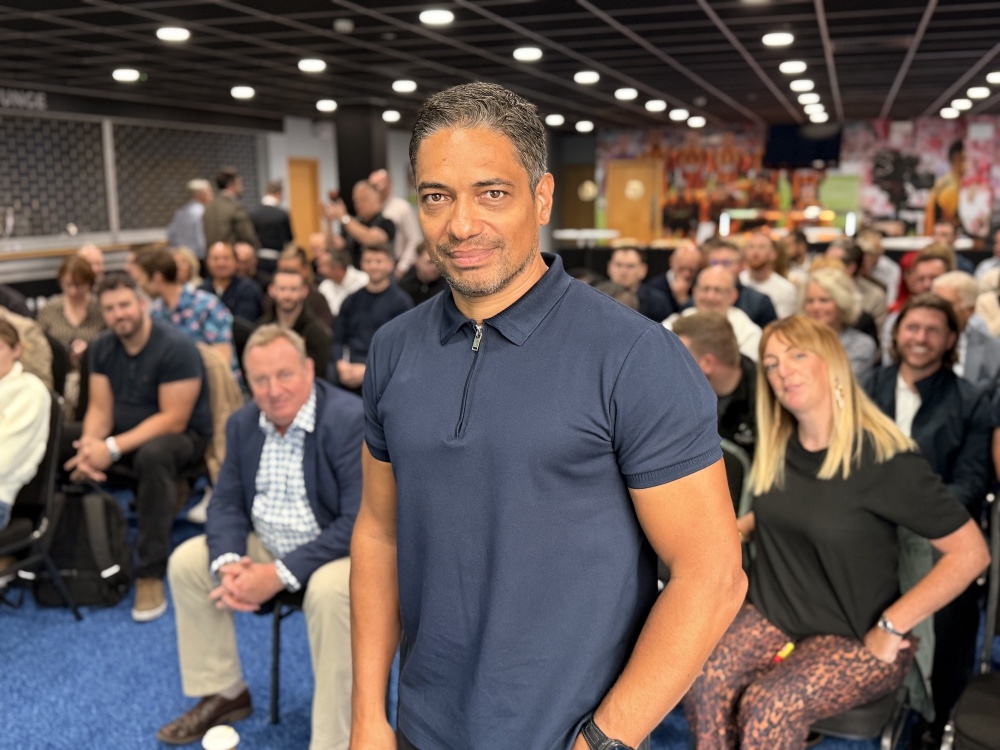
That balance between capability and human experience became a central theme of the Q&A, as members tested Piers’ ideas against concerns you may share.
One member challenged his claim that most customers were comfortable speaking to AI, explaining that an artificial-sounding call could make them suspect a scam. Did his figures include people who hung up straight away?
Piers argued that customers were more receptive when an interaction delivered something useful. He suggested setting expectations beforehand, perhaps through a branded text, while providing a route to a human for those who preferred it. The exchange brought the discussion back to trust: when considering AI for your business, the customer’s experience matters just as much as the technology’s capabilities.
Trust within the business was another concern. A member whose employees were already experimenting with AI and building their own tools asked what should happen next.
Rather than recommending more software, Piers advised establishing clear policies. If your team is already using AI, do you know which tools they are using, how they are using them and where your business information is going? His message was to turn individual enthusiasm into a coordinated business approach.
Questions about regulation and data sovereignty reinforced the importance of that oversight. Piers acknowledged that, in his view, regulation was struggling to keep pace with innovation, while stressing the need to reassure your customers and colleagues about how systems are implemented.
For a manufacturer in the room, the challenge was how to develop the right approach and find someone to champion it. Should a business recruit a specialist, create an internal working group or start somewhere else?
Piers’ response placed responsibility firmly at leadership level. Before recruiting someone to “do AI”, you need to decide what you want to improve, where the technology could make a difference and who will own the decisions.
This returned to his opening argument: AI is not a one-off project. As capabilities develop, you will need to keep reviewing what is possible and adapting your approach.
That does not mean changing everything at once. His advice was to identify a practical opportunity, demonstrate its value, bring your colleagues along and then scale. You can think ambitiously while keeping your first step manageable.
One of the most personal questions of the afternoon asked whether using AI meant people were no longer using their brains.
Piers saw it as an enabler rather than a substitute for thinking. He described it, memorably, as a “time machine”: a way to spend less time on tasks he did not want to do and more time creating, learning and pursuing ideas.
It was a question that captured the wider value of the lunch. Beyond hearing about new technology, there was space to examine assumptions, share experiences and consider what change could mean for your business and for you personally.
That is what FEO’s Guest Speaker events offer our members an opportunity to step away from the daily demands of running the business and invest in your own thinking. Fresh perspectives, practical insights and open discussion create space for conversations that might not happen in the office - but could influence what happens there next.
Piers closed with the image of a ship leaving a harbour, warning that the longer you wait, the harder the leap aboard could become. His invitation was not to transform everything overnight, but to stay curious, find a useful first step and avoid dismissing tomorrow’s possibilities because of today’s limitations.
To find out more about joining FEO, visit the FEO membership page.









Email:
info@forentrepreneursonly.co.uk
Address:
For Entrepreneurs Only Quarry House, Hesslewood Office Park, Hessle, East Yorkshire, HU130LH